
Key points
1Finishing strong is about more for others, not more for self
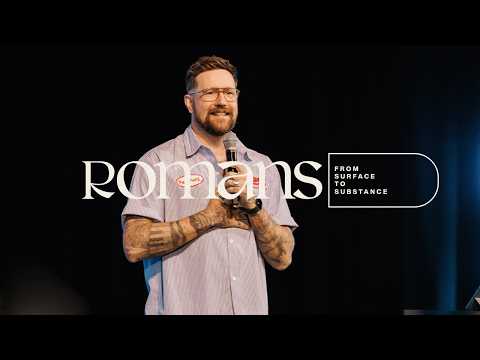
Pastor Joshua opens in Romans 15:1-3, where Paul says the strong must be considerate of others and not just please themselves, following the example of Christ who did not live to please Himself. He notes that sin bends our lives inward toward self, but the gospel bends our lives outward toward God and others, so finishing well means helping others cross the finish line too.
You never have to teach a child how to lie
2There are only three ways to finish: quit, coast, or finish strong
Using the story of a friend who sold Bitcoin early and missed out on huge later gains, Pastor Joshua illustrates how quitting too soon costs us the hope that comes on the other side of endurance. He defines discipline as staying committed to the assignment long after the excitement fades, warning that feeling your way into a calling means you'll feel your way out of it too.
A story from life
Story about a friend of a friend who bought and sold Bitcoin early
3Coasting looks comfortable but quietly stops growth
He describes coasting as looking present but being mentally checked out, like someone working out their two weeks' notice, and warns that comfort causes people to stop showing up, investing in others, and deepening their faith. He cautions that tearing down a church or job on the way out reveals a life that has become about self rather than about building up others.
Discipline at its core is staying committed to the calling, the assignment that God has put in your life long after the excitement of it goes away
If you allow yourself to feel your way into it, you will allow yourself to feel your way right out of it as well
4Faithful people stay rooted in God's word
Working through Romans 15:4, Pastor Joshua traces the progression from endurance to encouragement to hope, and reminds listeners that God is never early or late even when His promises take longer than expected, citing Noah, Abraham, David, and Jesus' thirty years before ministry. He adds Jonah, Esther, and Paul as examples that if God used them, He can use us too.
5Faithful people stay connected through prayer
He explains that prayer exchanges our weakness for God's strength and is the difference between walking in our own power and walking in His. Quoting Mark Batterson's line about irregular things happening when we pray regularly, he points to Paul's own request for prayer in Romans 15:30 as proof that if Paul needed it, we need it even more.
6Faithful people get along with other people
From Romans 15:7, Pastor Joshua argues spiritual maturity is measured not by Bible knowledge but by how we love people we disagree with, dislike, or who have hurt us, since the gospel reconciled us not only to God but to one another. He challenges the room to stop over-spiritualizing conflict, recognize themselves as the common denominator in recurring conflict, and trade criticism for compassion and offense for forgiveness.
There is no such thing as jerks for Jesus
Illustration
Quote on prayer from pastor and author Mark Batterson
7Faithful people stay focused on Jesus
Closing in Romans 15:13, he urges turning every what if into an even if, keeping eyes fixed on Jesus regardless of circumstances, because faith built on circumstances collapses while faith built on the Savior holds. He points to Jesus, who did not quit or coast but endured the cross and finished strong, as the pattern for our own finish.
What if we changed every what if to even if
That no matter your background, your upbringing, your current season of life, even your age, man, this one is crucial
Application
Pastor Joshua frames the whole message as a choice among three finishes: quit, coast, or finish strong.
Stay committed instead of quitting
Whatever season or calling you're in, stay connected, stay disciplined, and stay the course even when the excitement fades and it takes longer than you want.
Refuse to coast in comfort
Notice when you've stopped showing up, investing in others, or deepening your faith, and if you do leave a church, job, or community, leave it better than you found it.
Root yourself in God's word daily
Read scripture not to keep a streak alive but to grow in endurance and encouragement that leads to real hope, remembering God's promises come on His timing.
Make prayer a regular practice
Trade your own strength for God's by spending time with Him instead of just seeking more effort or more places to find strength.
Get along with people you struggle to love
Give people the benefit of the doubt, choose compassion over criticism and forgiveness over offense, and pursue unity with those you disagree with or who have hurt you this week.
Fix your eyes on Jesus, not circumstances
Turn every what if into an even if, keeping your hope anchored in Jesus rather than in outcomes, diagnoses, promotions, or relationships.
Take it into your week
Rewind AI contributed study material from the sermon transcript; church-authored wording and verified sermon quotes keep their own source. Always trust the sermon itself over anything here. How Rewind uses AI